Space for Art
2060 _ UNITED _ (230x18, clay, glass, cardboard, tin, flora, oxides) _ Antwerp, Belgium
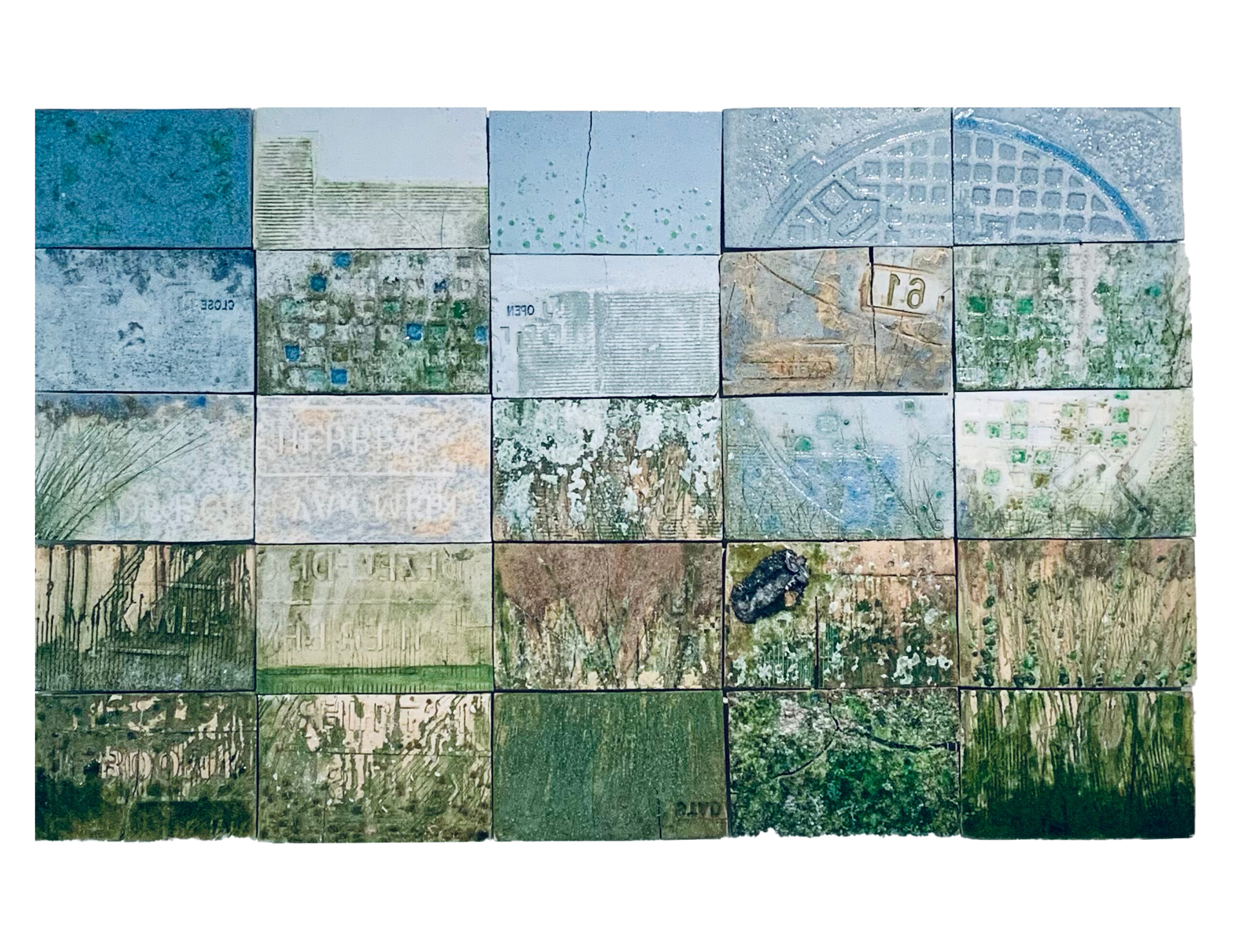
From a walk through the 2060 district more specifically the Seefhoek, the bas-relief emerged— white clay at the bottom transitioning to dark clay at the top, from green to blue, from earth to sky. During these walks, Carl Verdickt literally captures impressions in wet clay: manhole covers, infrastructure, the textures of streets or façades, illegal dumps, as well as local flora and fauna. A small pit labeled “grounding” might catch his attention, or a broken green bottle might be incorporated into the final work through melting.
As an architect, Verdickt always lets himself be guided by the genius loci, , striving to set aside his preconceptions and continually learning to see through a lens of wonder. The work is composed of multiple layers. The first layer serves as a kind of imprint, forming a composition of the neighborhood. On top of this, he paints with clay found in the surrounding area, oxides, glass shards and physical objects that contribute to the relief. The painting brings together the fragmented pieces of clay into a single image, which is then assembled like a mosaic in separate segments. In this way, the neighborhood is brought together into one cohesive landscape.
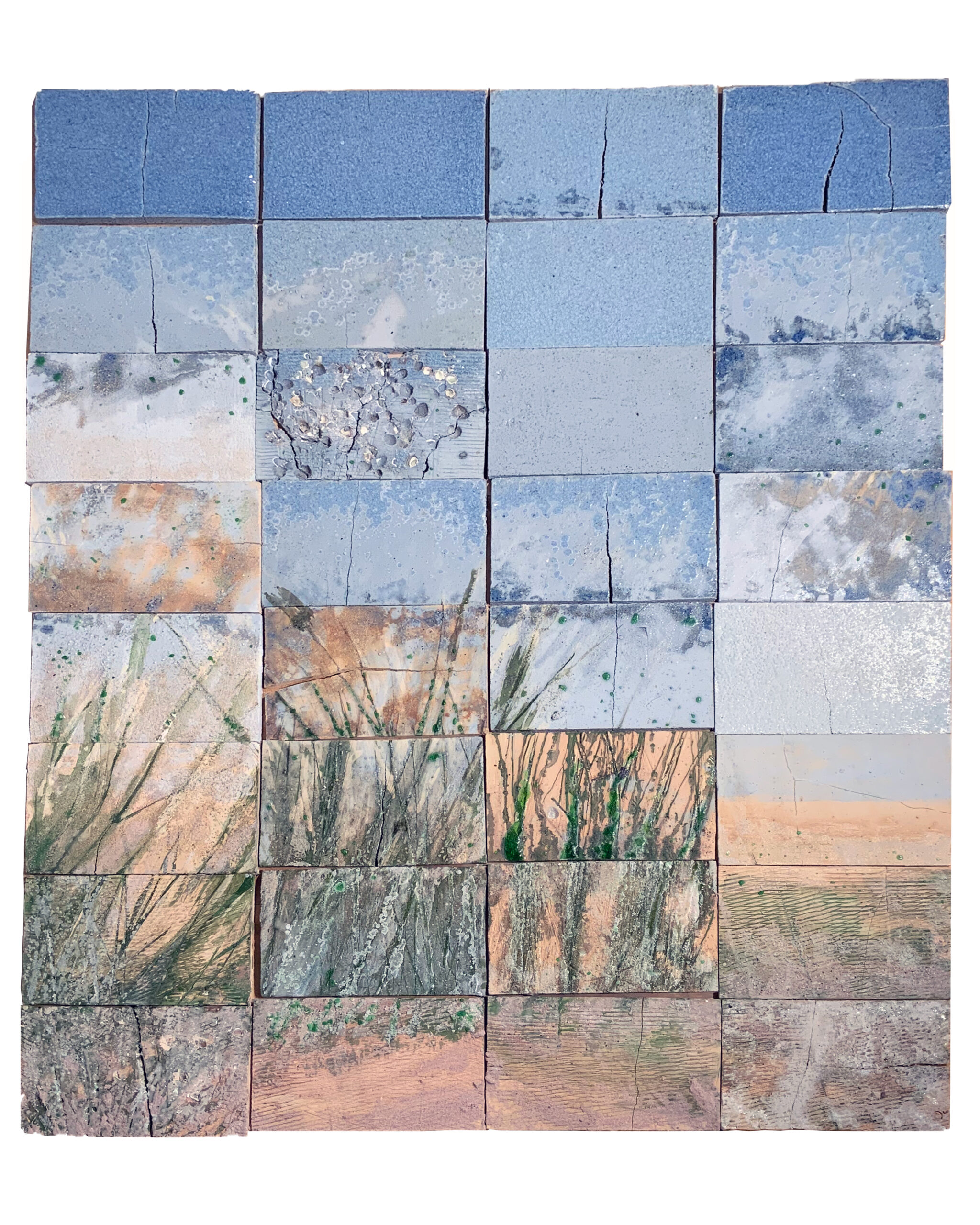
P H A R M A S E A _ Bas reliëf _ (200 x 150, dune grass, cardboard box, sand, wild clay, shells, beer bottle glass shards) _ Impressions & materials collected during a beach hike _ Cadzand to Breskens, Netherlands.
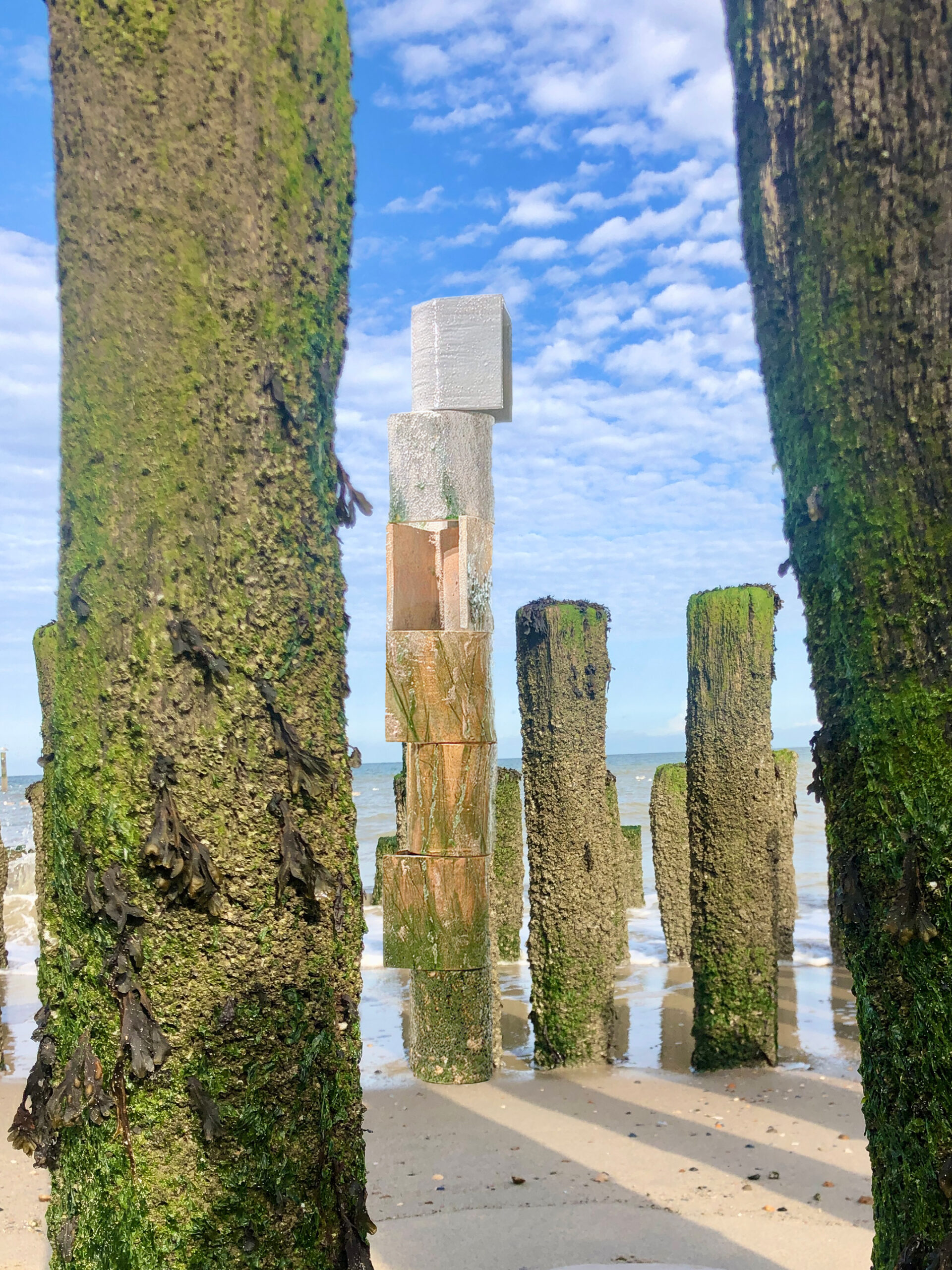
P H A R M A S E A _ Groyne Tower _ (30 x 30 x 174, barnacles, dune grass, shells, beach sand, beer bottle glass shards) _ Cadzand to Breskens, Netherlands. The groyne as found form. The tower as memory.
RISING NATURE PAGODA _ 19th KAJIMA SCULPTURE COMPETITION _ Tokio_ Japan
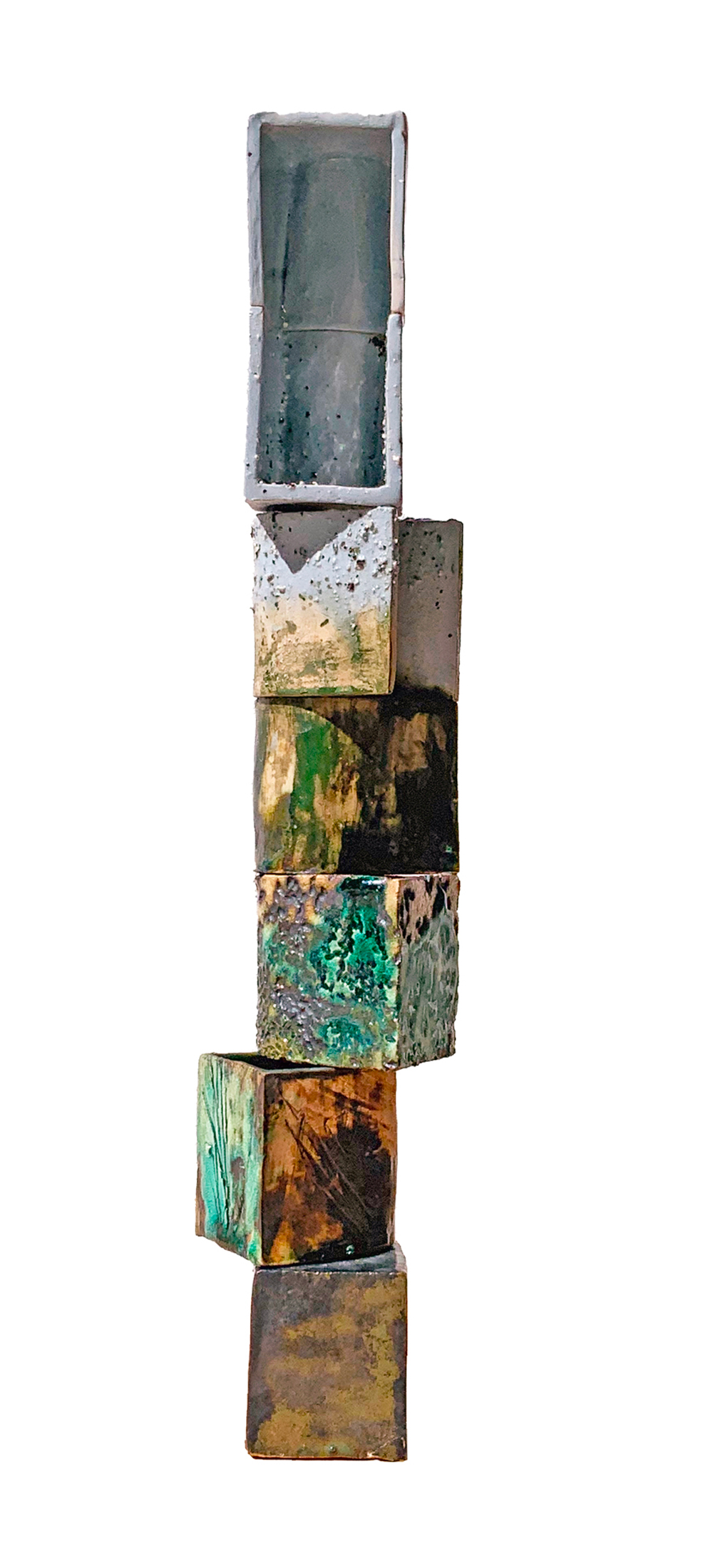
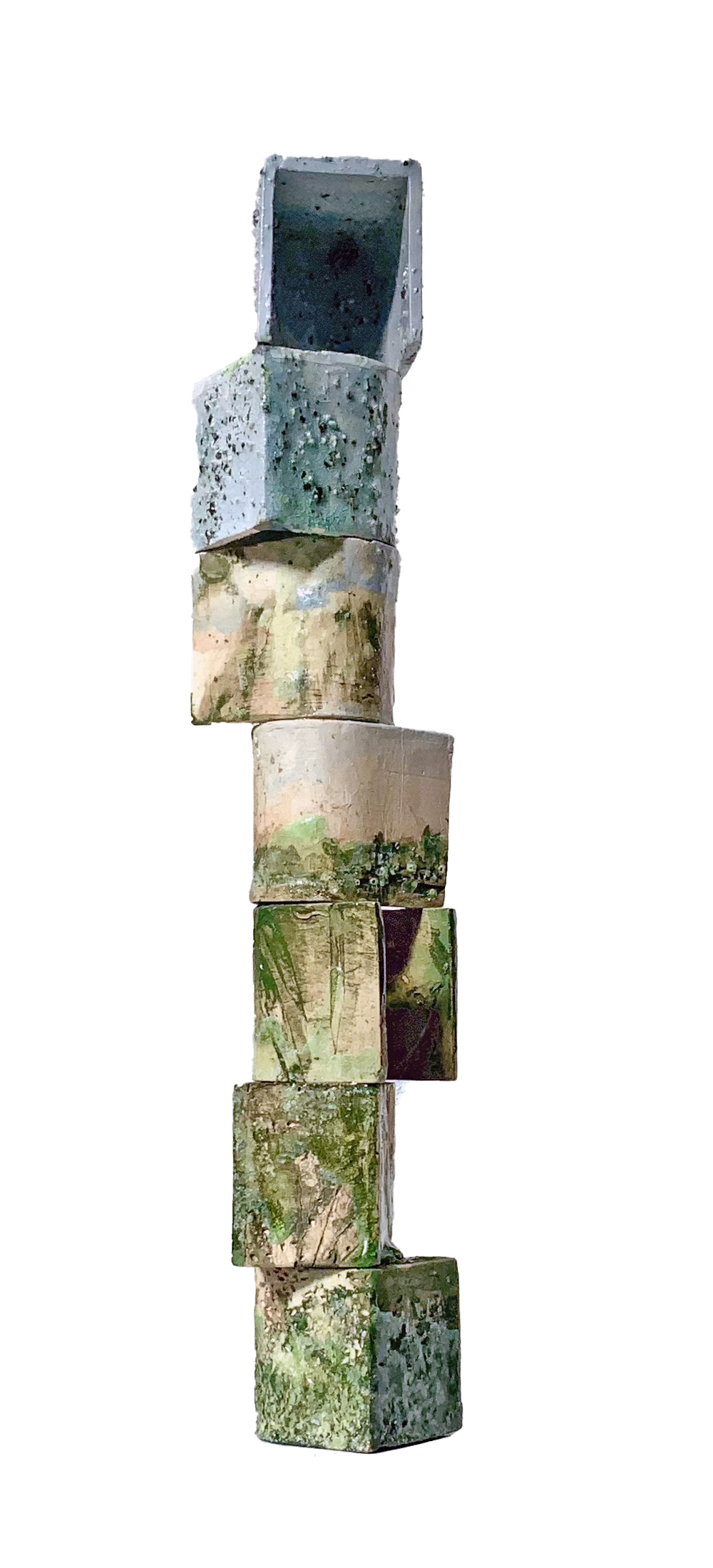
The ceramic sculpture is a hybrid: part three-dimensional painting, part architectural tower, part fictional natural landscape. It features printed impressions of Japanese natural elements - such as bamboo, maple leaves, and sesame seeds - combined with discarded materials like crushed beer bottles, used as glaze.
The sculpture creates a space where nature and architecture meet, inviting viewers to explore a playful, layered terrain. Echoing the spiritual symbolism of Japanese pagodas and the vertical aspirations of Brancusi’s towers, the sculpture suggests a connection between earth and sky.
The work, ‘rising nature pagoda’, reflects on our relationship with our surroundings and the resources we depend on, confronting the paradox of our longing for natural beauty while accelerating its loss through the environmental toll of relentless urban expansion and mass consumption.
LANDSCAPE TOWER _ Lopota lake _ Georgia
The landscape column reflects the interaction between nature and human presence. Inspired by walks around Lake Lopota, I collected natural materials and local debris, including crushed wine bottles from nearby wineries, which were repurposed into glaze. These elements are embedded in the ceramic surface, creating layers of texture and meaning. The sculpture captures the unique natural beauty and cultural heritage of the region, translating the landscape’s stories into a tangible form that connects environment, tradition, and memory.


H O M E R U N _ Antwerp _ Belgium
‘Homerun’ is a landscape project in which found materials (such as litter, waste, flora, infrastructure, ...) on the Eilandje serve as the starting point. The project emerged during evening walks and the reflection on the duality between the expanding urban jungle and the open space that remains to us.
The series of bas-reliefs reflects the zeitgeist of construction frenzy, massive exploitation, consumer drive, decay, and the longing for beauty, space, and grounding. The works invite the viewer to wander through the endless playground in which we live, and to marvel at the beauty that surrounds us. They encourage reflection on the way we physically and materially consume at a rapid pace what remains to us, while we collectively yearn for natural beauty and space.


MORELLEPUT _ Nieuwvliet _ Netherlands
The work forms the centerpiece of the solo exhibition Homerun (March 2025). My ceramics studio, often used as an open-air studio, borders the nature reserve ‘De Morellenput’. Here, nature is allowed to follow its course, with meadows and wildflowers growing freely. The bas-relief ‘HOME’ is inspired by this natural environment, reflecting the grasslands surrounding my studio in Zeeuws-Vlaanderen.
For this piece, I placed base tiles of wet clay in the tall grass. The impressions of the grass that remain after the first bisque firing (900°C) are then filled in the second firing (1050°C) and sometimes a third glaze firing (1200°C) with shards of glass, collected from Heineken beer bottles and colored oxides. These bottles were left behind by hikers on the walking paths that cross the nature reserve, subtly reflecting the relationship between humans and nature


H O M E _ Morelleput, bas-reliëf, (145 x 95, grassen, glasscherven, flora, wilde klei, oxide)
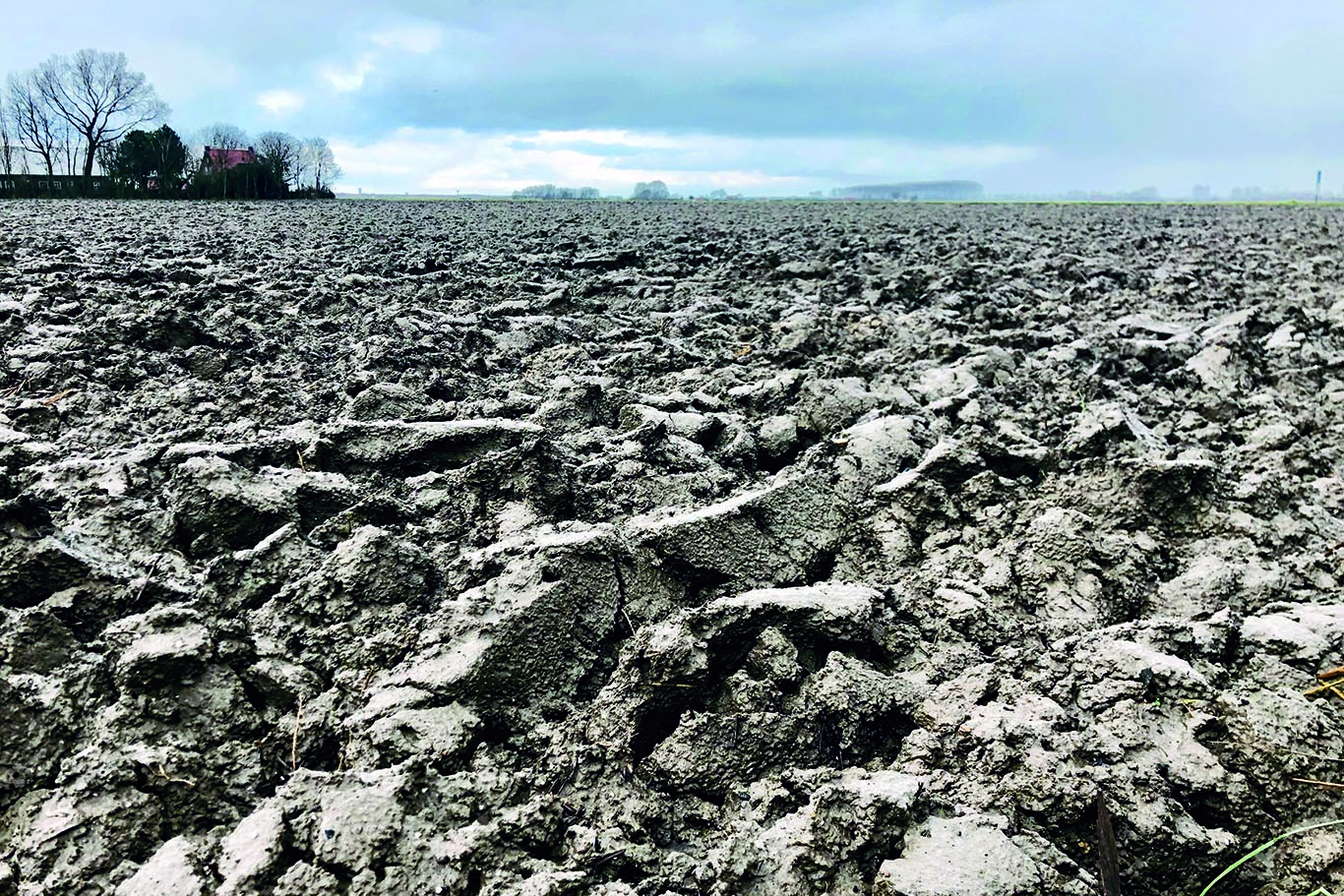
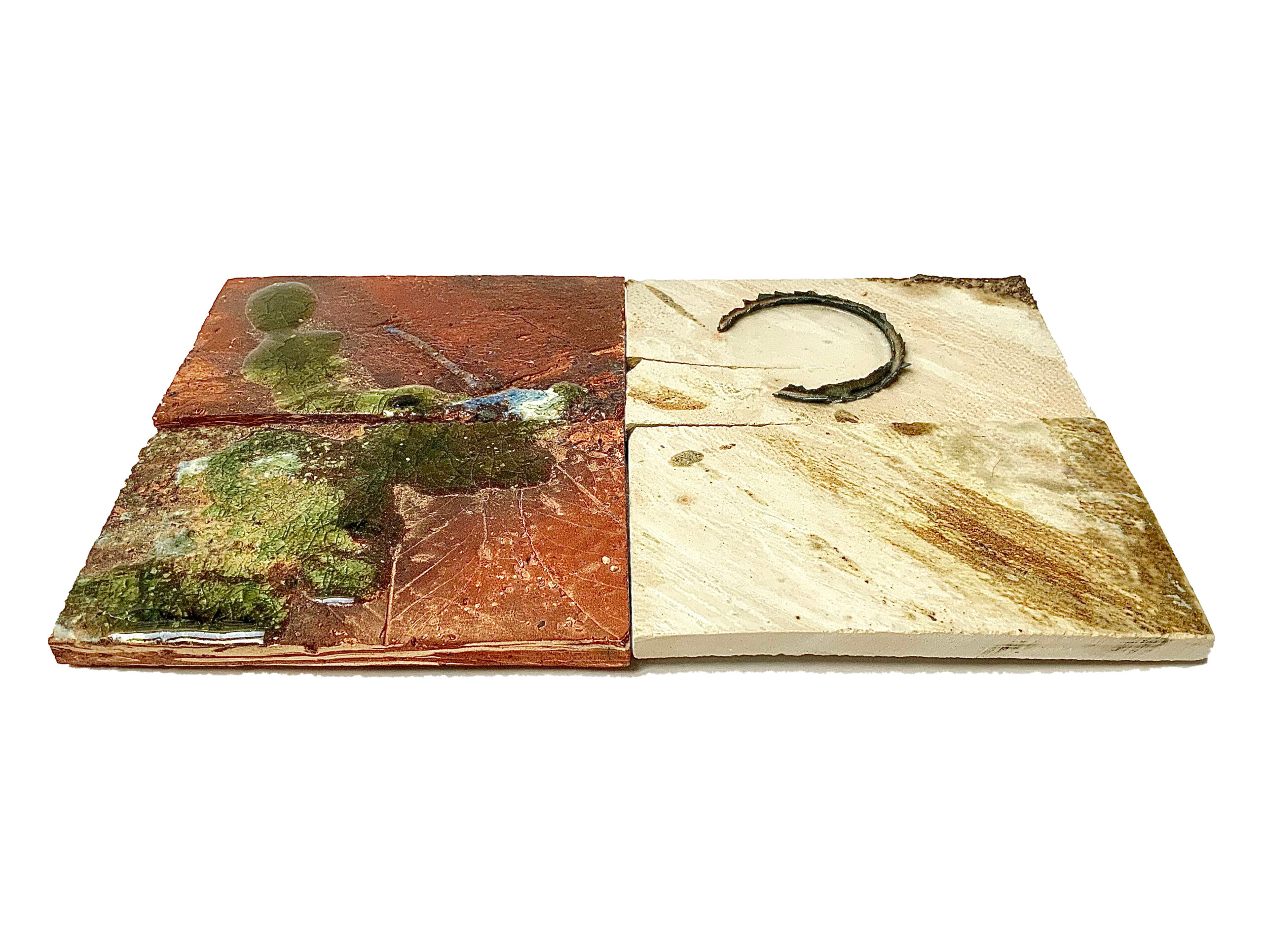
'Kiss the ground' is a landscape project in which self-extracted clay and stranded materials (seeds, shells, oxides, glass and litter) in Zeeuws-Vlaanderen form the starting point of a search for the origins of the landscape.
The project started after the accidental discovery of clay soil during foundation work on a summer house located in the rough Zeeland landscape and the reflection on the duality between pristine nature and its human consumption.
The series of bas-reliefs reflect the zeitgeist of overexploitation, mass mining, consumerism, decay and the craving for beauty, space and grounding. The works are an invitation to wander around the landscape. They make one reflect on the way we physically and materially consume at a rapid pace what is left to us, while collectively craving natural beauty and space.
KISS THE GROUND _ Zeeuws-Vlaanderen _ Netherlands
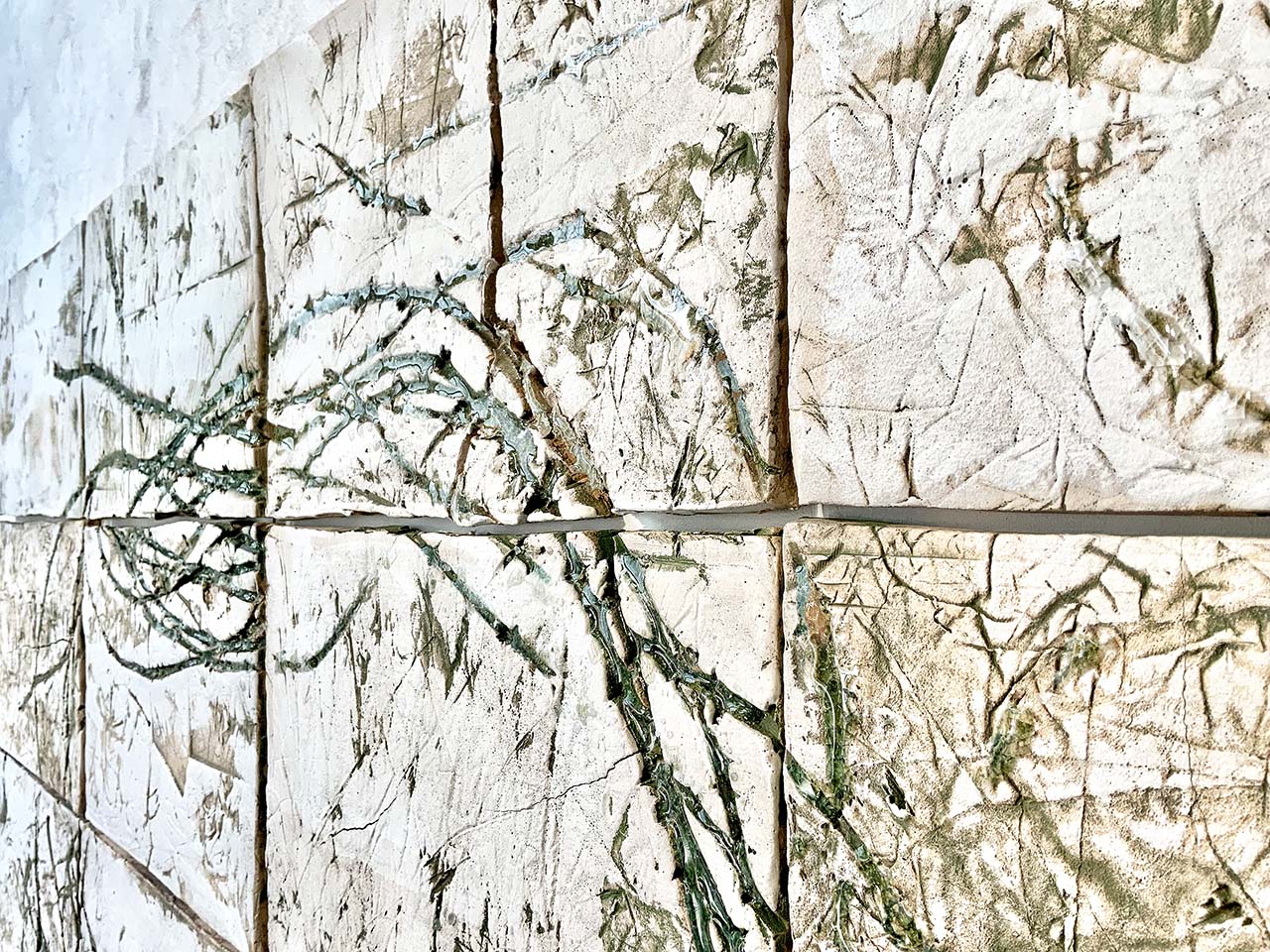
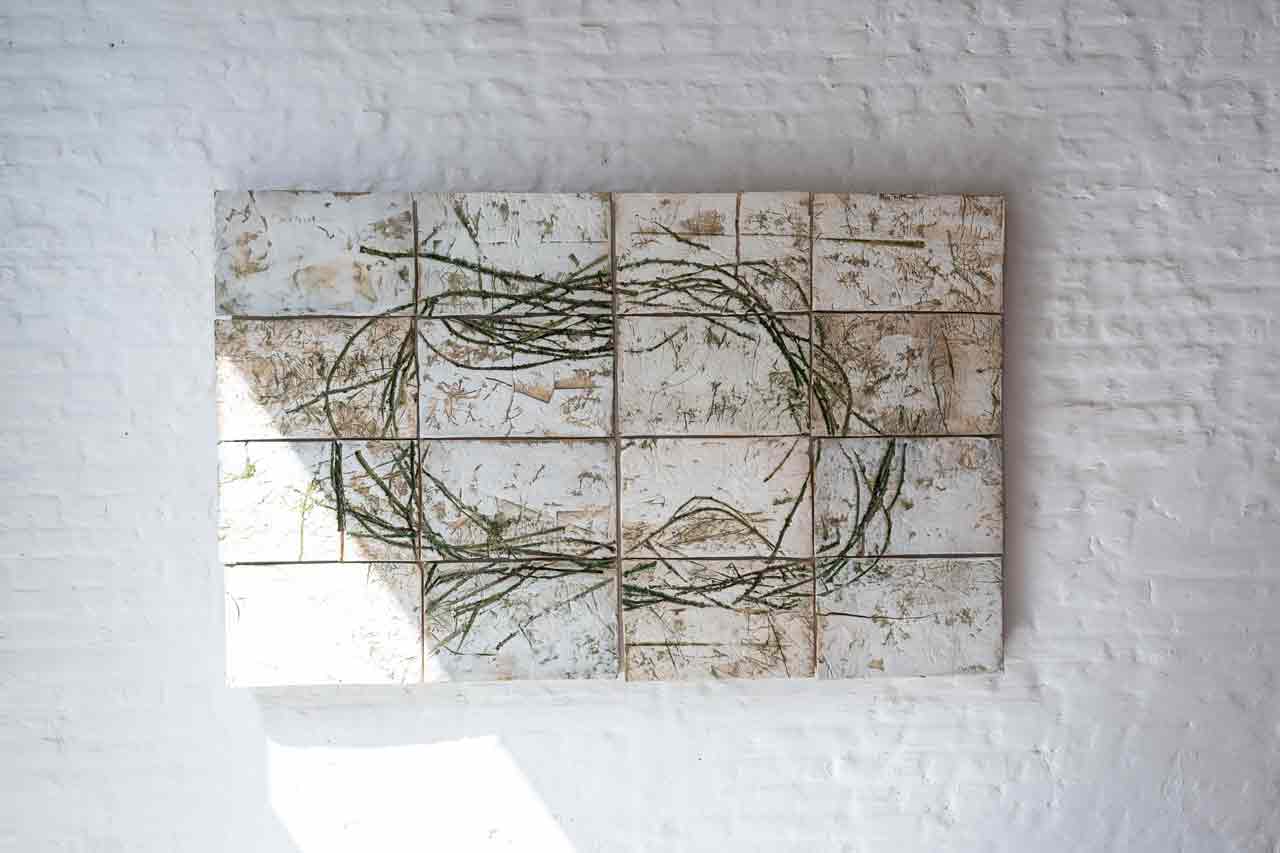
Kiss the ground, bas reliëf, (150x95, zaden, bramen, plastic, oxiden, glas, klei) _foto ©bobreijnders
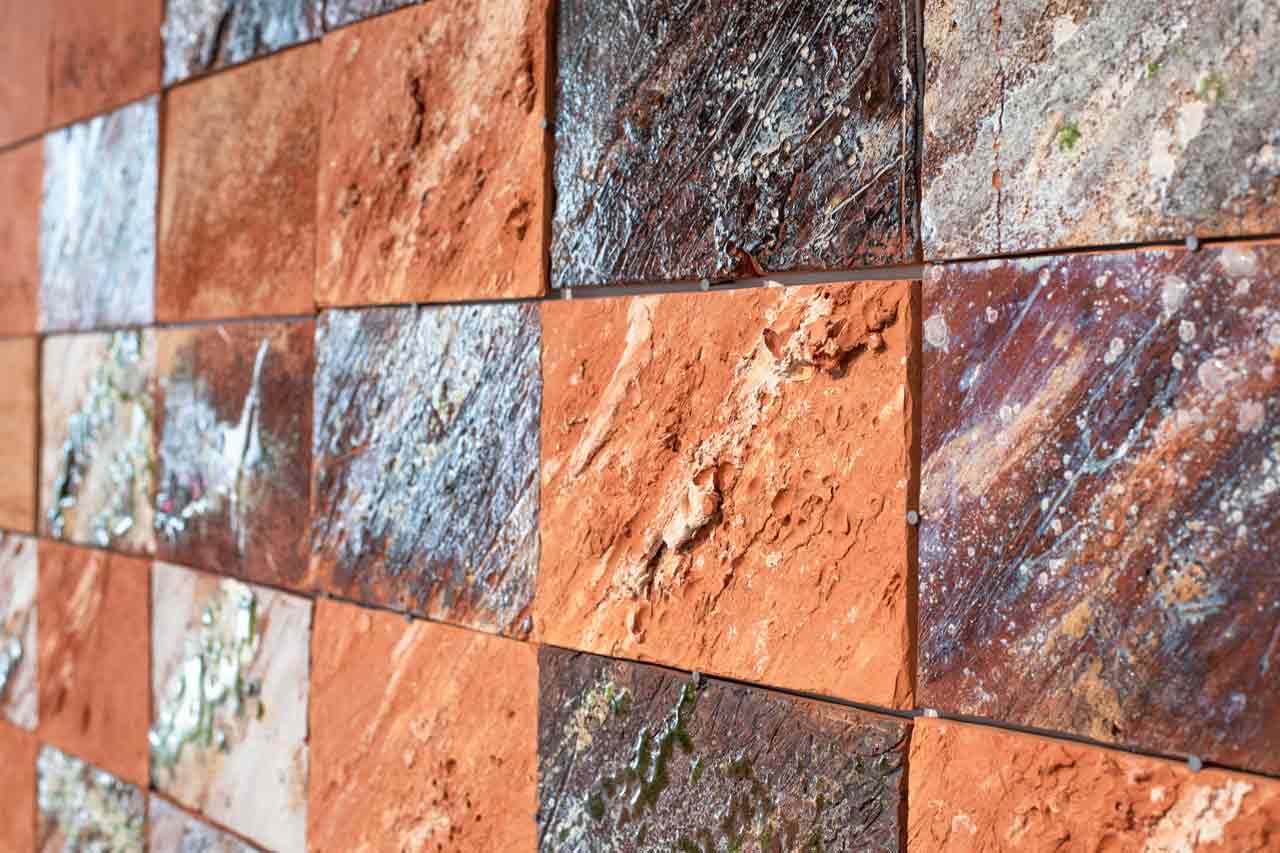

Kiss the ground, bas reliëf, (215x140, zaden, oxiden, glas en zelfontgonnen klei) _foto ©bobreijnders
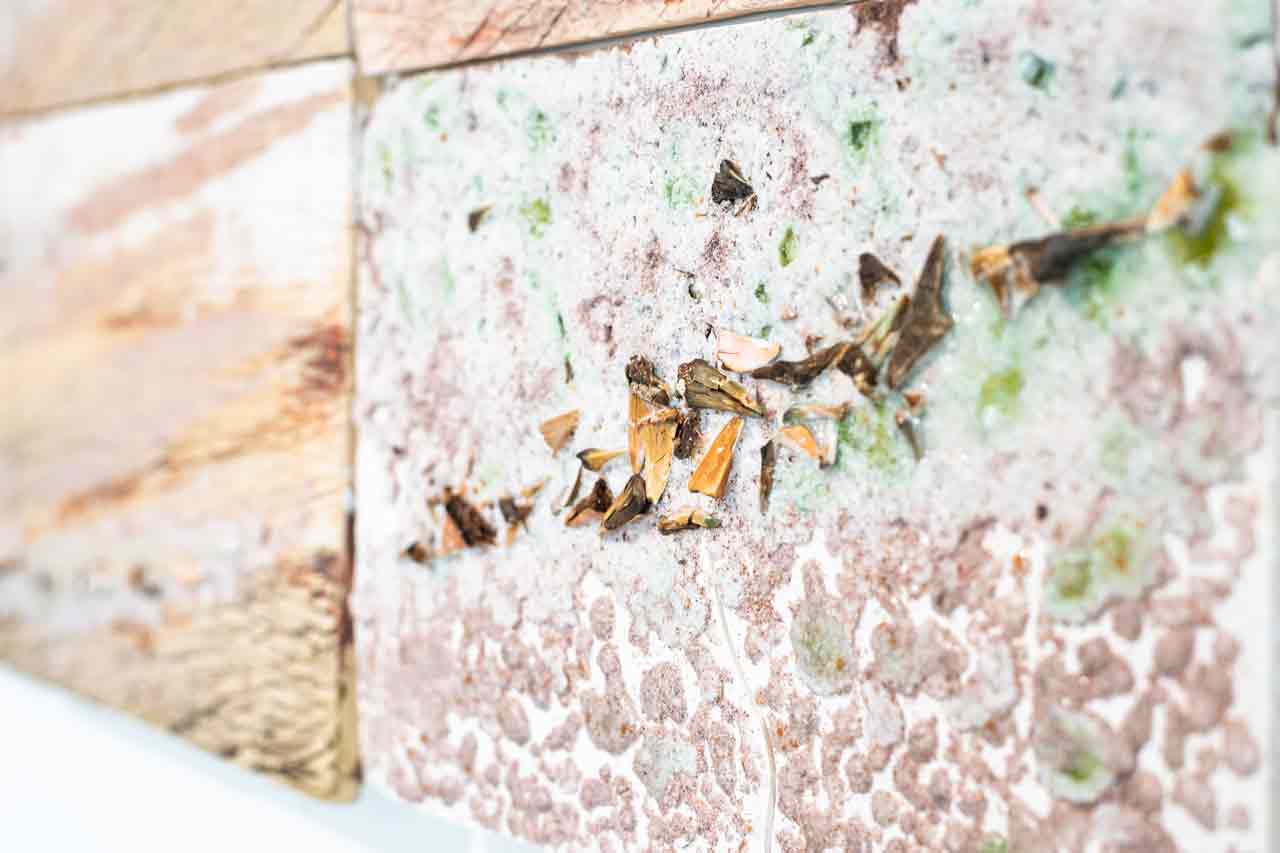
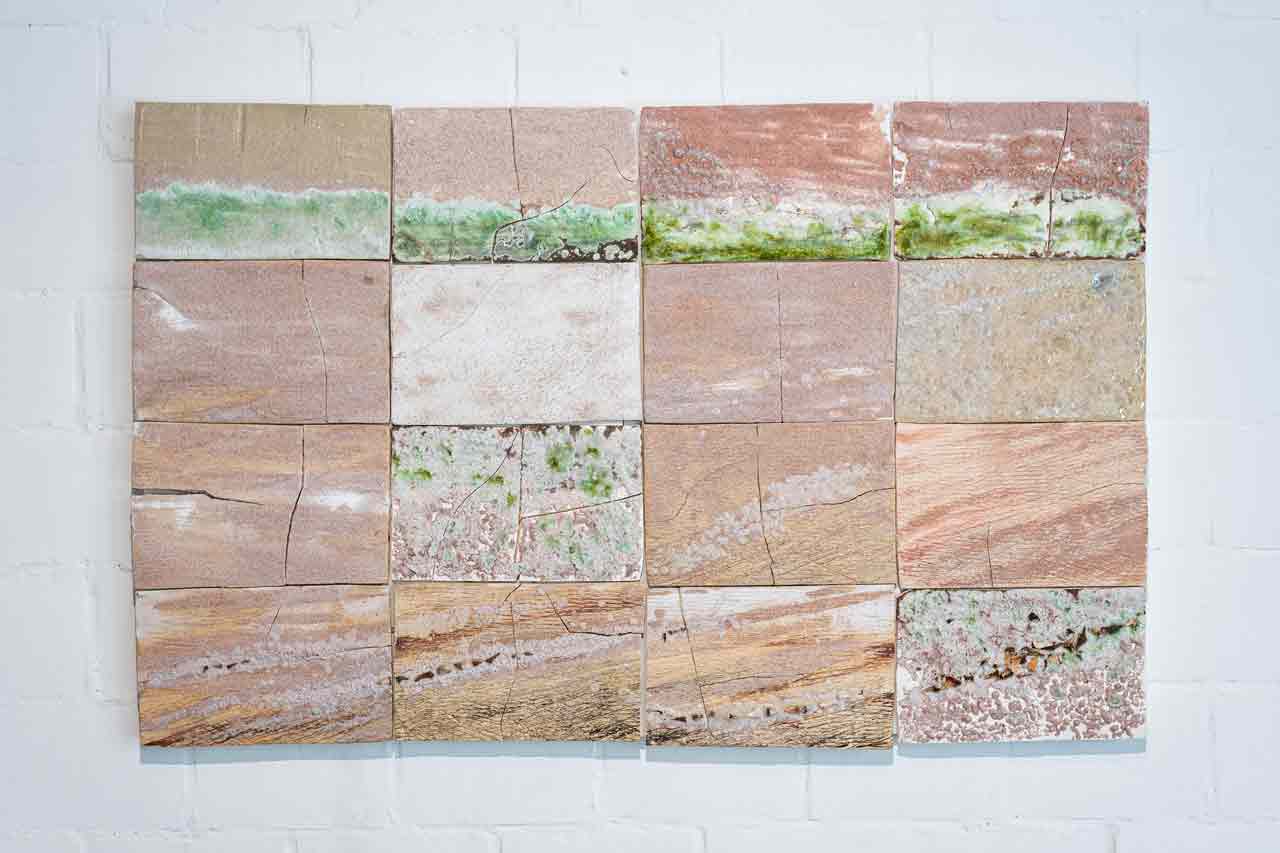
Kiss the ground, bas reliëf, (150x95, strandzand, schelpen, haaientanden, oxiden, glas, klei, porcelein) _foto ©bobreijnders
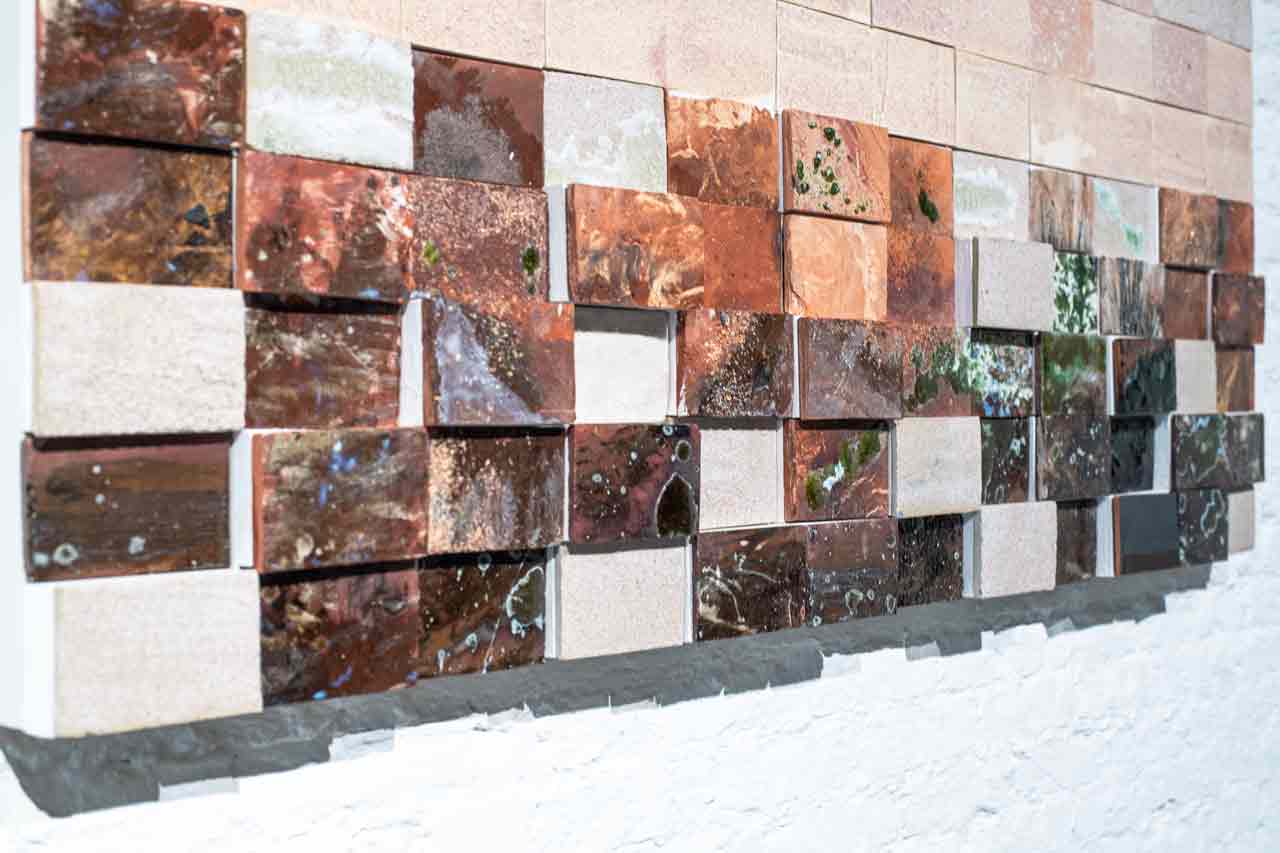

Kiss the ground, bas reliëf, (215x140, vegetatie, zaden, oxiden, glas en zelfontgonnen klei _foto ©bobreijnders
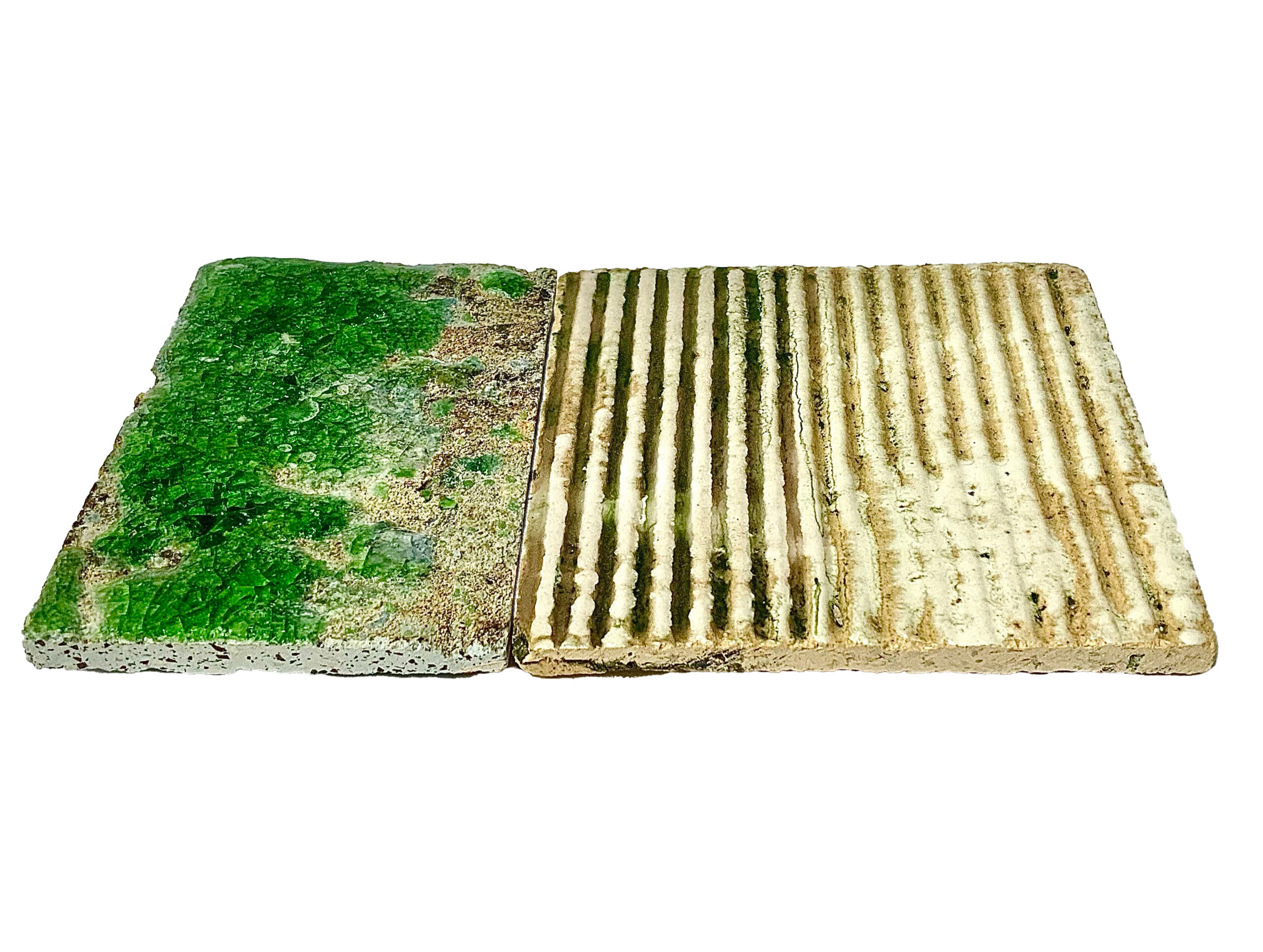
Kiss the ground, bas reliëf, (20x12, zelfontgonnen klei, vegetatie, karton, plastic, oxiden, glasscherven Heiniken bierfles)
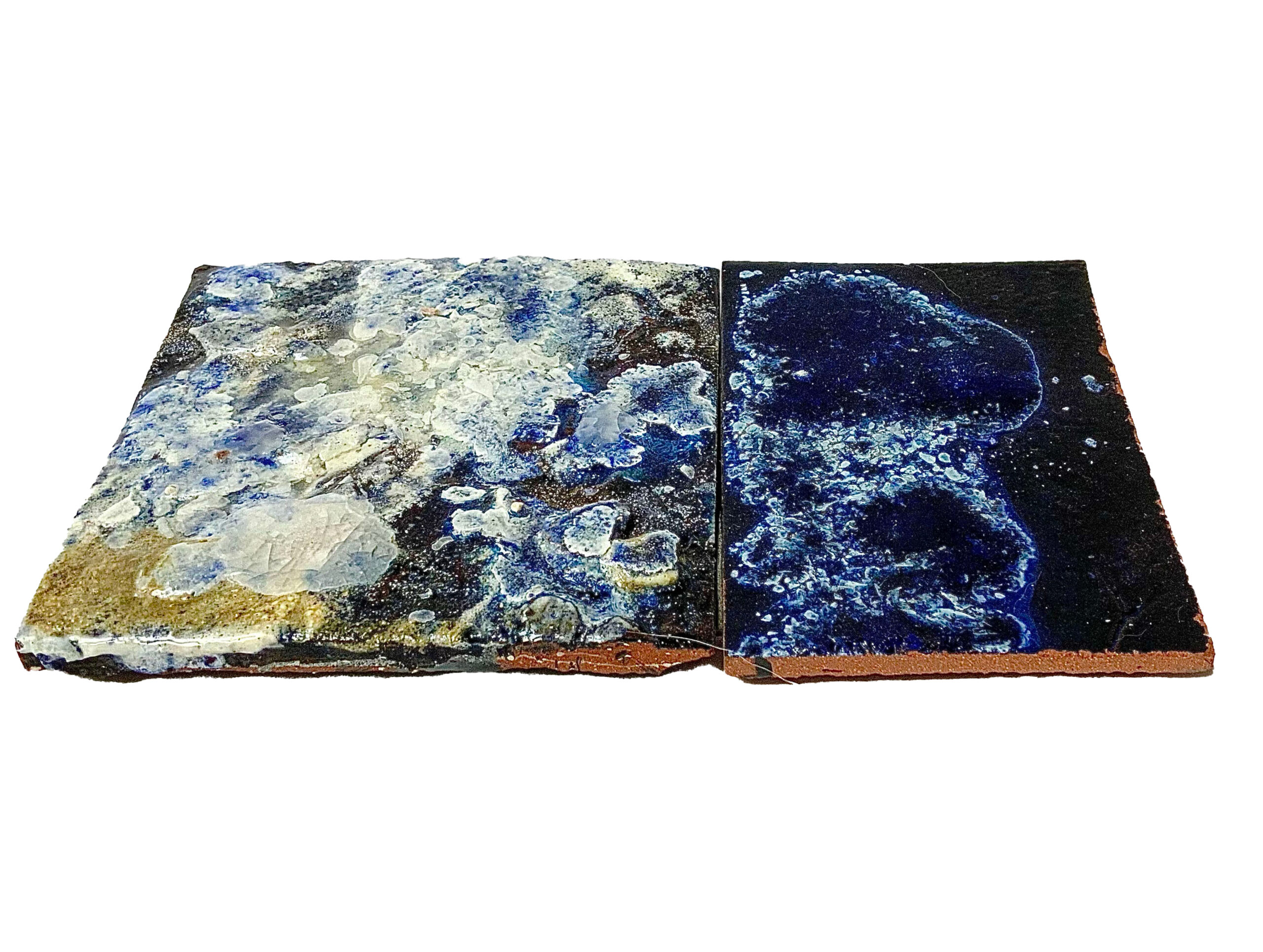
Kiss the ground, bas reliëf, (20x12, zelfontgonnen klei, vegetatie, zaden, bierblik, oxiden, glasscherven)
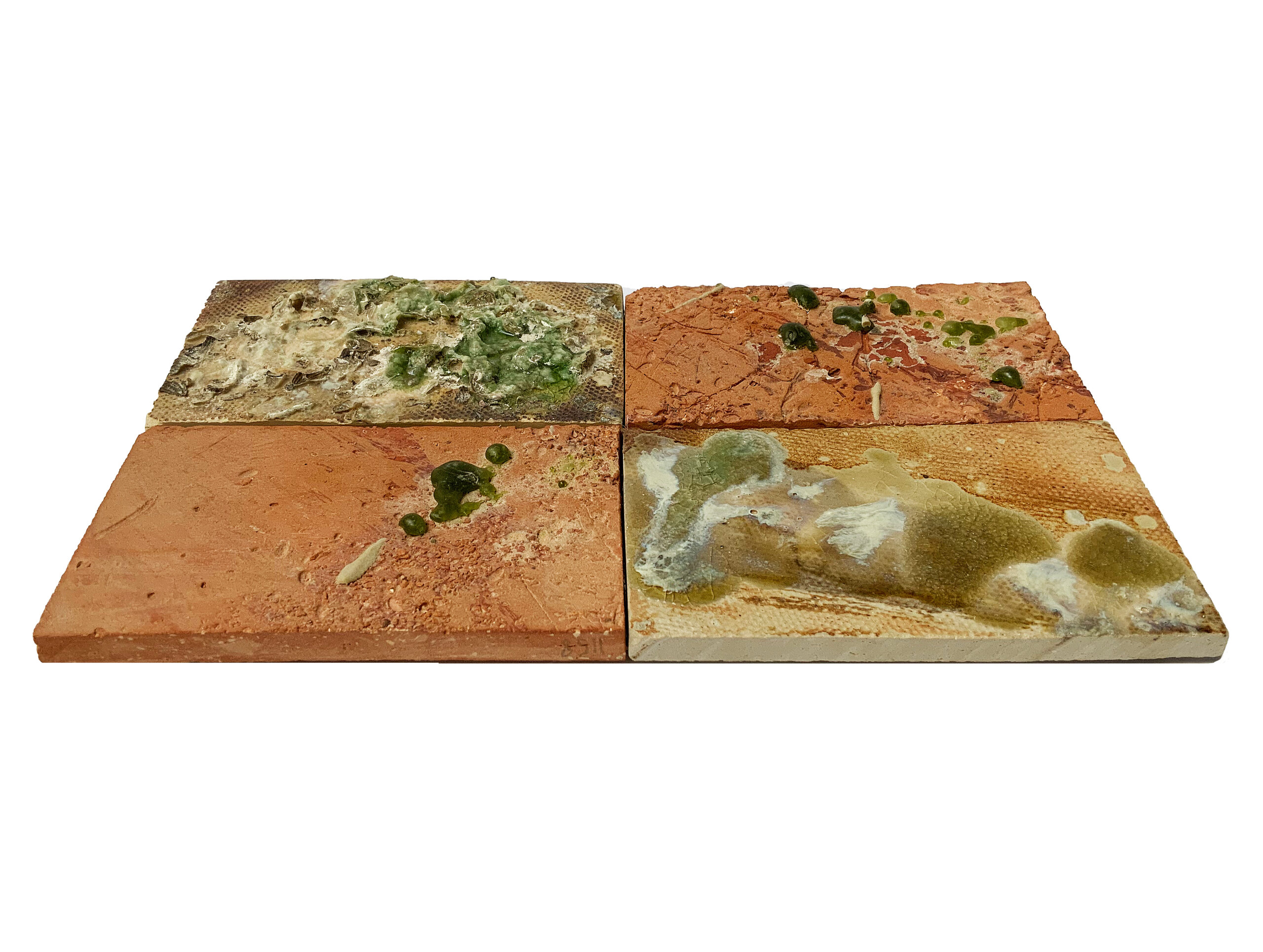
Kiss the ground, bas reliëf, (24x15, zelfontgonnen klei, vegetatie, zaden, schelpen, oxiden, glasscherven Heiniken bierfles)
Kiss the ground, bas reliëf, (24x15, zelfontgonnen klei, vegetatie, zaden, bierblik, oxiden, glasscherven)
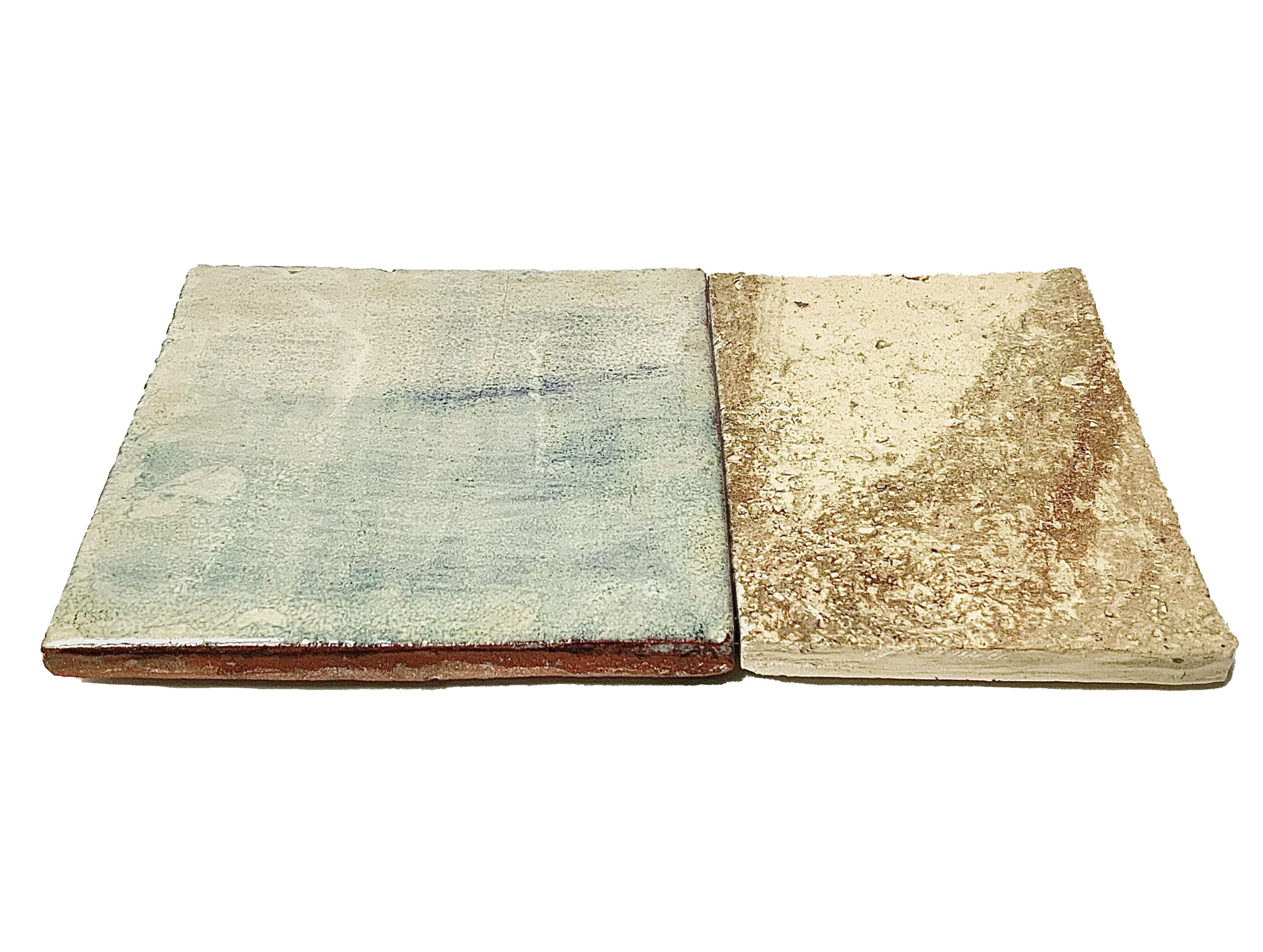
Kiss the ground, bas reliëf, (20x12, zelfontgonnen, zaden, strandzand, oxiden, glasscherven)
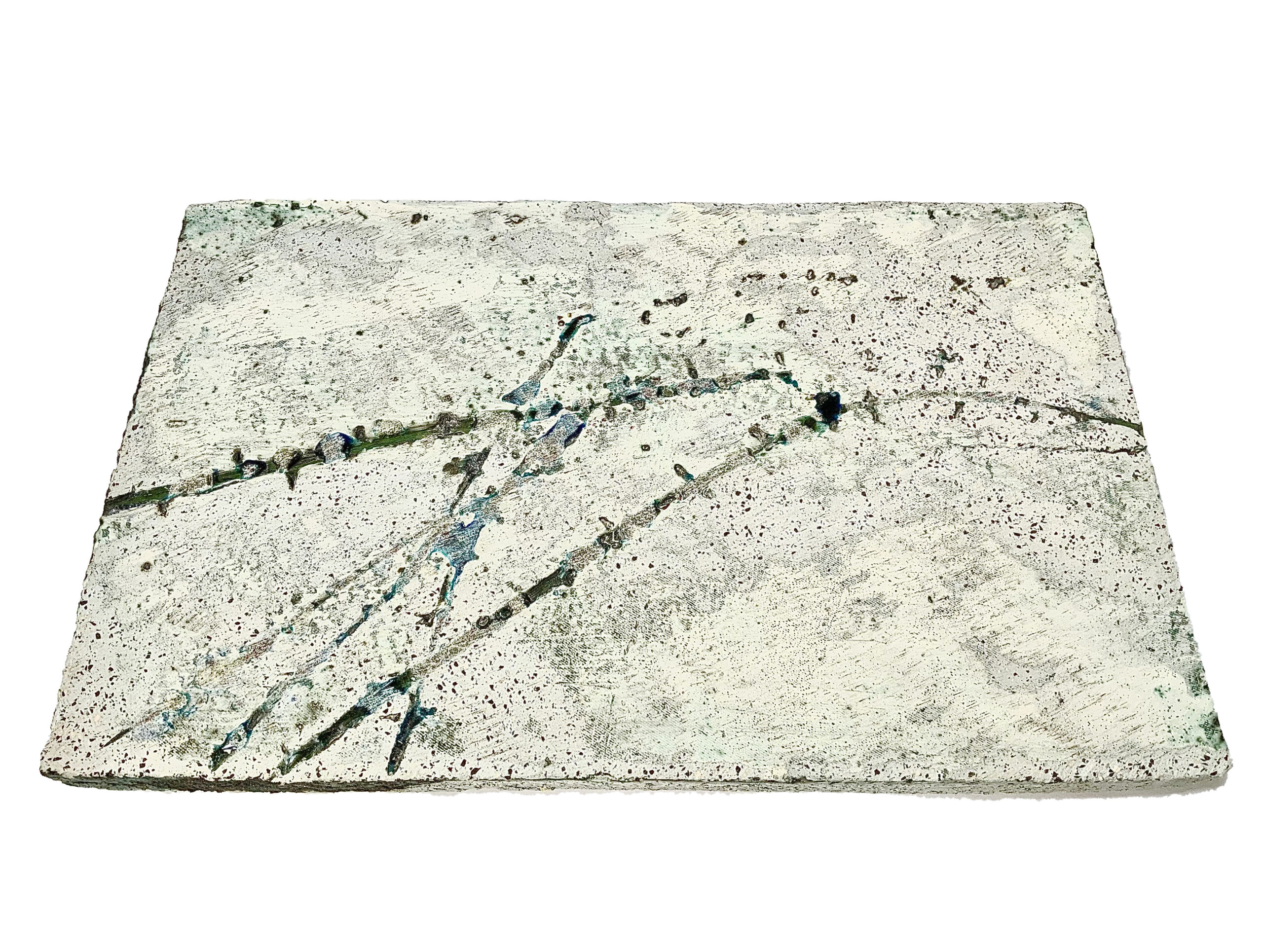
Kiss the ground, bas reliëf, (30x21, zelfontgonnen klei, bramen, oxiden, glasscherven )
A: Biekorfstraat 55, 2060 Antwerpen
E: info@a-space.be
M: ++32 4 76 50 33 24
Follow us on instagram